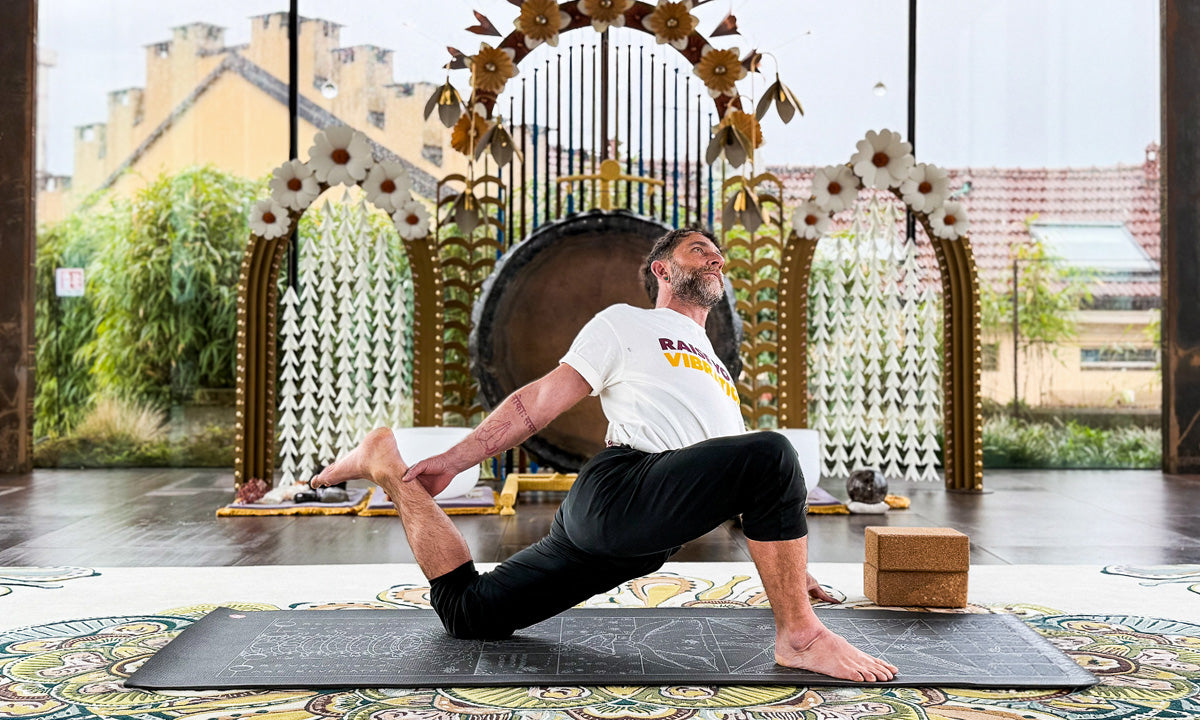

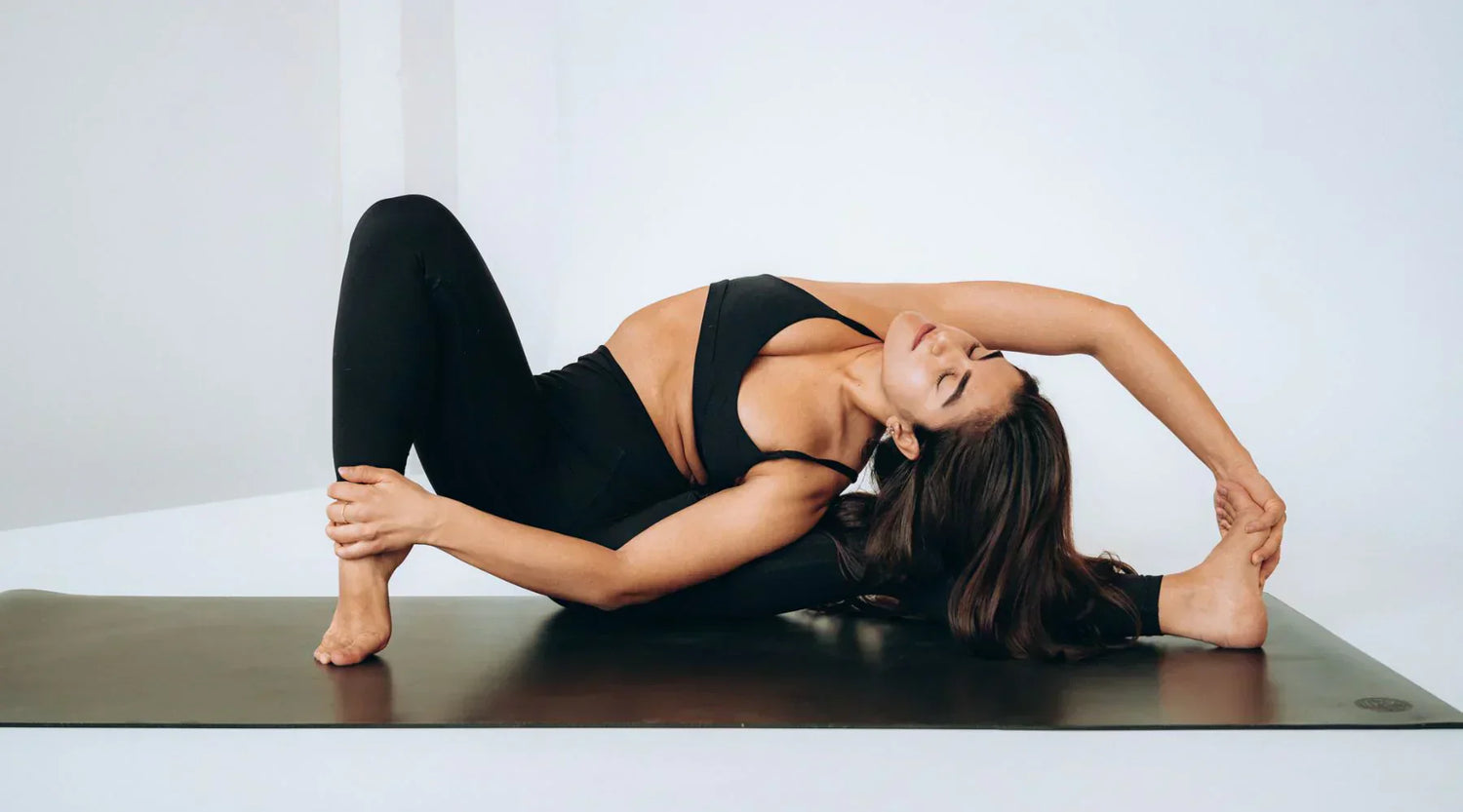
Yoga first entered Kimia’s life at 16, beginning as a physical pursuit and gradually unfolding into a journey of intention, philosophy, and teaching. From exploring Vinyasa and Hatha Vinyasa to creating a global digital community and launching her own yoga app, Alkimi, she shares yoga as a practice that goes beyond shapes on the mat—offering students freedom, depth, and transformation wherever they are in their journey.
How did your journey with yoga begin, and what led you to start teaching?
My yoga journey began at 16, when I first walked into a hot yoga studio for all the wrong reasons, chasing calories and body image. At first, I ignored the chanting and philosophy and just focused on the sweat. But over time, and especially when I met an inspiring teacher at university, I realized that the physical benefits were only the surface of something much deeper.
Curiosity led me to retreats, philosophy, and eventually a 200H training. What started as a way to “look better” transformed into a practice that made me want to be better. Teaching came naturally, first as a side job, then as my full-time path, because I felt called to share the same transformation that yoga brought me.
What’s your philosophy to teaching?
My teaching philosophy is rooted in intention. Everything I do, whether it is sharing on social media, hosting retreats, creating classes for my app, or teaching in a studio, starts with intention. Without it, yoga becomes nothing more than shapes on a yoga mat, and poses lose their depth and meaning. When we practice with intention, we discover the stories behind the poses, connect more deeply to ourselves, and understand what we are truly trying to achieve.

What draws you most to Vinyasa and Hatha Vinyasa — and how do these styles shape the way you guide your students?
What I love most about Vinyasa is the freedom it gives people to truly get to know their bodies. I don’t believe there is one “best” style of yoga, and I’m not one to join the Ashtanga vs. Vinyasa debate, because I know every person needs something different. For me personally, as someone who values freedom of movement, functionality, and the exploration of many directions and shapes, Vinyasa and Hatha Vinyasa feel like home. That freedom is what shapes the way I guide my students.
You just came back from a six-month break to travel in Portugal — how did that time away shift your perspective on practice or teaching?
Taking a six-month break from teaching in Portugal shifted my perspective in so many ways. It reminded me how much I need to teach in person, and how deeply I miss it when I’m not. It also gave me the chance to simply be a student again, without thinking about sequencing or cues, just practicing for myself. Exploring new studios and practicing with different teachers expanded my view of what yoga can be and how it can be taught. When I returned, students told me my classes felt different, though I couldn’t quite explain why. I think the time away simply gave me space to transform, so that I could hold space for their transformation too.
A year ago you started sharing your practice and teachings online, what inspired you to begin?
My background is in marketing and social media, so sharing online has always felt natural to me. After years of investing my creativity into other people’s projects and brands, I realised it was time to put that energy into something of my own. Yoga has been with me since I was 16, and it’s the one thing I’ve always felt deeply passionate about. So a year ago, I decided to bring those two worlds together and start sharing my practice and teachings online.

In just a year, you’ve built a meaningful digital community. What’s been most rewarding — or surprising — about teaching through social media?
When I first started sharing online, my goal wasn’t to gain tens of thousands of followers. I simply wanted to educate and share. In a world where yoga teachers have to charge for classes to sustain themselves, social media became my way of giving freely — my seva, my service to the community. The most rewarding part has been seeing how one short video I make in a few hours can reach millions and actually impact someone’s offline practice. What surprised me most is the love I’ve received in return. I never expected to be met with so much gratitude and interaction. I truly feel like I have the best community in the world, and I’m endlessly thankful for it.
You’ve launched your own yoga app— congratulations! What inspired you to take this big step, and what can students look forward to?
Thank you so much! My app, Alkimi, is finally out in the world. I realised that if I can impact someone’s practice through a short reel or TikTok, then the potential for transformation through a full library of on-demand classes in a user-friendly app is so much greater. I wanted to create a space where people can experience the same transformation I did when I first started practicing and teaching. Even though Alkimi is still new, I’m so excited for what’s already inside, from yogic philosophy to the stories behind the poses, and for everything that’s yet to come. My hope is that anyone who feels called to grow, even if they don’t yet know they’re craving it, can find Alkimi and begin their journey there.
Who is the app designed for — is it more for beginners, intermediate practitioners, or those looking for a consistent home practice?
Alkimi is for anyone who already feels drawn to yoga and senses its potential to transform their life, but isn’t quite sure how to access that transformation yet. I don’t like to label people as beginners or advanced, because skill on the mat doesn’t always reflect depth of practice. Someone might be able to hold a handstand for minutes and still know little of yoga’s essence, while another person who has never stepped on a mat might already carry a deep understanding. So the app is designed for anyone ready to explore yoga more intentionally and consistently, wherever they are on their journey.

What kind of experience are you hoping to create for your community through the app that might be different from social media or studio classes?
On social media, I can only scratch the surface — a quick tip here, a short story there. Inside the app, I get to go much deeper. There’s time and space to explore the philosophy, the stories behind the poses, and the practice itself in a way that simply isn’t possible in a 60-second reel. Unlike a studio class, the app also gives people the freedom to practice anywhere, anytime, even from home in their pajamas. My hope is to create a space that feels both intentional and accessible, where students can return again and again to grow at their own pace.
How does your personal practice help you stay grounded while navigating the creative and entrepreneurial side of teaching?
My personal practice is what keeps me steady through all the moving parts of being both a teacher and a creator. It reminds me that I can only share from a place of authenticity if I first show up for myself. On days when I get caught up in the business, the planning, or the content creation, stepping onto my mat grounds me and brings me back to why I started in the first place.
Do you have a favorite Manduka product that supports your practice or teaching? What makes it a must-have in your yoga space?
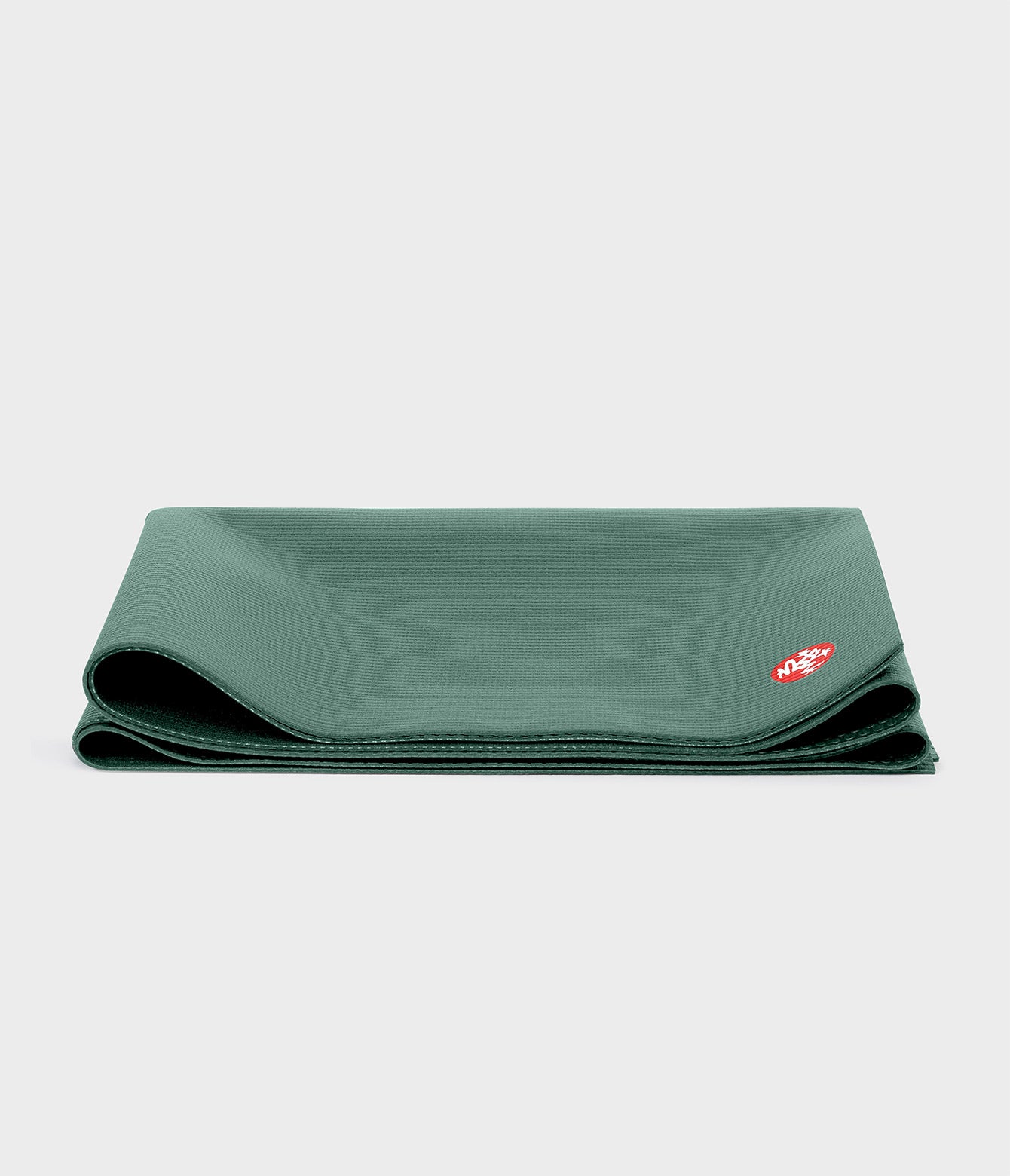
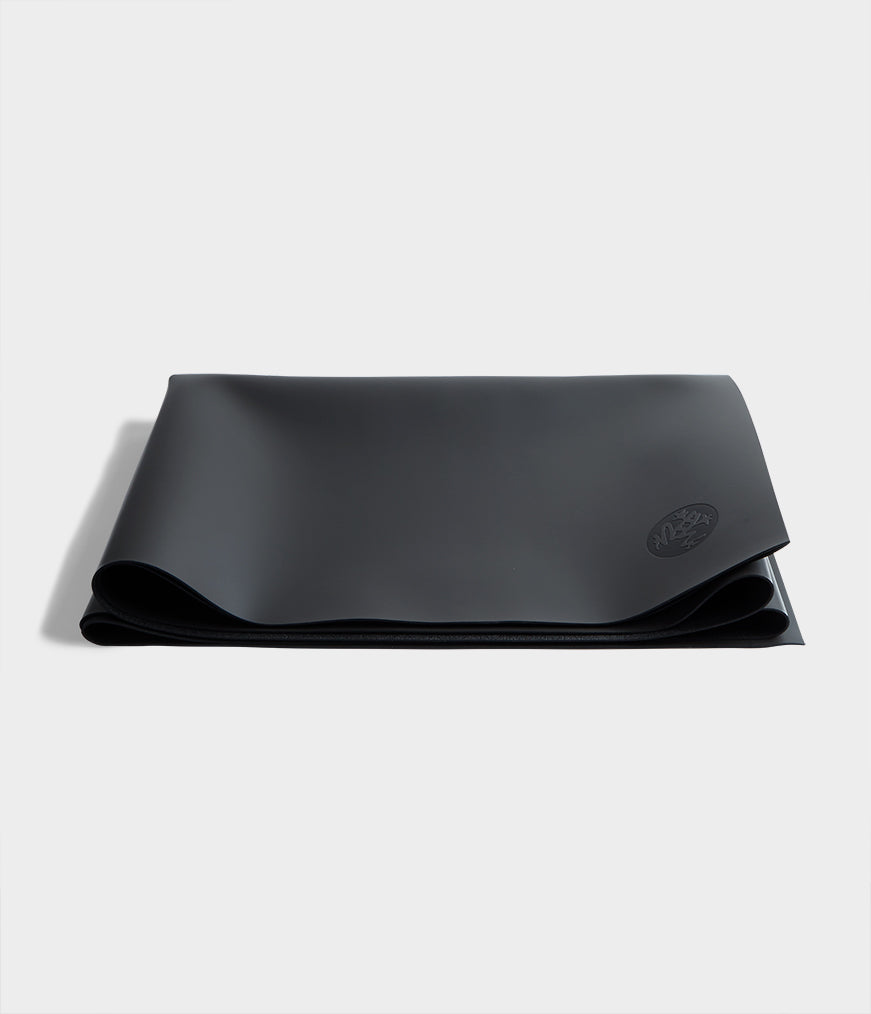
I absolutely love the Manduka PRO Travel Mat. For me, too much cushioning can sometimes take away from the practice. If you have a healthy body, feeling the texture of the ground beneath you is so important, because it makes your practice more adaptable and less reliant on having the “perfect” setup. The PRO Travel Mat strikes the balance — it’s supportive, yet thin and foldable enough to take with me anywhere. It has truly become my must-have for travel and teaching on the go.
Listen
Connect
- Website: www.kimihajian.com
- Instagram: @kimihajian
- Alkimi App
- Upcoming retreat: Croatia Retreat (May 2026)
Learn more about the Manduka Teacher Programs Here.